
The Works of Barbara Lee Smith & Debora Muhl
October 2 – November 15, 2025
Receptions:
Opening reception: October 3 | 5-8pm
Artist Talks: October 3 | 6:30pm
Closing reception: November 7 | 5-8pm
Artist Talks: November 7 | 6:30pm
Gravers Lane Gallery is proud to present Two Part Inventions: The Works of Barbara Lee Smith & Debora Muhl, an intimate exhibition tracing the musicality, memory, and material depth of two skilled fiber artists. Through richly layered wallworks and sculptural coiled vessels, Smith and Muhl translate life’s rhythms into tactile, visual forms—what Smith calls “the dance” of making. The title, borrowed from classical music, hints at the duality and interplay at the heart of this show: two distinct practices in conversation, each deeply attuned to process, form, and feeling. Smith and Muhl do not follow a score—they improvise, respond, and recompose.
Barbara Lee Smith is an internationally acclaimed textile artist, educator, lecturer and author whose mixed media textile works explore the cycles of time and transformation. Working with fragments of non-woven industrial fabric as the foundation for her work since 1992, she creates an intricate surface, printed and painted, collaged and stitched. Assembling remnants and discarded materials into layered compositions, her process of cutting, melting, tearing and mending mirrors cycles of destruction and creation. Smith thus builds atmospheric abstractions that evoke land, memory, and inner landscapes. Her process is as intellectual as it is intuitive, marked by a fierce material engagement and decades of innovation. Smith holds an MFA in Mixed Media from Northern Illinois University and has exhibited in over 80 solo and group exhibitions worldwide. A dedicated educator and advocate for the textile arts, she is the author of Celebrating the Stitch: Contemporary Embroidery of North America, which helped redefine the field of contemporary embroidery. This is her second exhibition at Gravers Lane Gallery.
Debora Muhl, a self-taught sculptor based in Emmaus, Pennsylvania, creates elegant, meditative vessels using the ancient basketry technique of coiling. She began making traditional functional baskets in 1983, but the challenge of mastering technique and materials has led her to create unique one-of-a-kind art pieces over the years. Working primarily with sweetgrass (hierochloe odorata)—gathered and prepared by Native Americans —and sewing it with waxed linen threads or artificial sinew, she shapes fluid, freeform sculptures that often begin with a shard of gourd. The grasses are left in their natural state for their sweet aromas. Guided by intuition rather than design, her forms emerge organically, balancing structure and spontaneity. Muhl describes her work as a visual metaphor for the music of her life: structured yet improvisational, natural yet intensely disciplined. Her sculptural practice resists categorization, transcending function to evoke rhythm, stillness, and movement. Her work is widely collected and held in the permanent collections of the Mint Museum, the Museum of Fine Arts Boston, the Fuller Craft Museum, the Musée des Arts Décoratifs in Paris, and the Racine Art Museum, among others.
Together, Smith and Muhl ask us to slow down and look closely—at material, at memory, at the quiet rhythms of time made visible. Their work reveals beauty in aging, improvisation within structure, and the echo of music in fiber and form. Both artists approach fiber not as a fixed tradition but as a living language—capable of holding tension, transformation, and the residue of lived experience. For them, form is not the end but the result of listening—of paying attention to the materials, histories, and gestures that shape a life. Their work resists resolution. Instead, it offers an invitation: to see in what remains the possibility of renewal, and in the act of making, a quiet kind of clarity. The result is work that doesn’t just speak of light, but offers it. As Smith says, “In the darkest of times, light can reveal a memory; offer hope; bring a moment of engagement, encouragement and healing.” Two Part Inventions is a tribute to the power of fiber as a language of renewal and resilience.
PRESS + MEDIA


Barbara Lee Smith | Artist Process Audio Recording
Barbara Lee Smith
ABOUT THE ARTIST
ARTIST STATEMENT
Materials and Techniques: Painted, printed, fused and stitched industrial polyester-based non-woven fabric. All work has a hidden frame that floats the work on the wall.


Debora Muhl
ABOUT THE ARTIST
Debora is a self-taught basket artist currently residing in Emmaus PA. She employs a technique based on traditional coiling, in which coils of sweet grass are sewn together with waxed linen threads or artificial sinew. Her material of choice is sweet grass (hierochloe odorata) which is gathered, combed & sorted by Native Americans in various parts of this country as well as in Canada. The grasses are left in their natural state for their sweet aromas. Some of these coiled sculptures begin on a cut-out segment of gourd and they are all designed in the process as they are made. She began making traditional functional baskets in 1983, but the challenge of mastering my technique and materials has led her to create unique one-of-a-kind art pieces over the years.
ARTIST STATEMENT


-
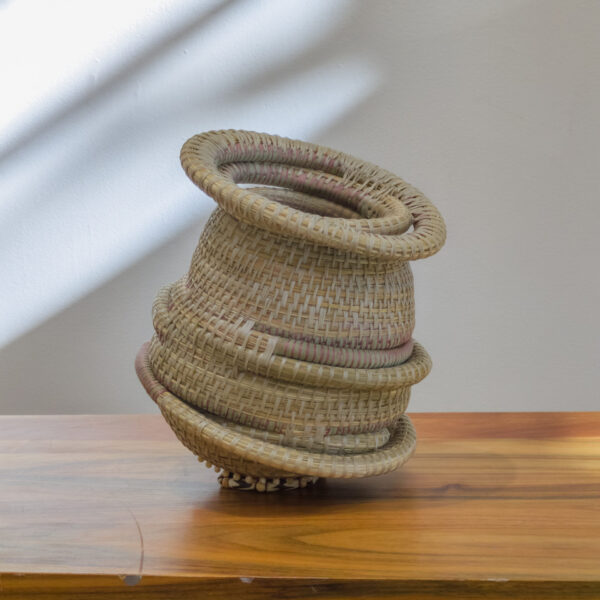
#1440 | Mysterious Rhythms | Debora Muhl
$7,040.00 -
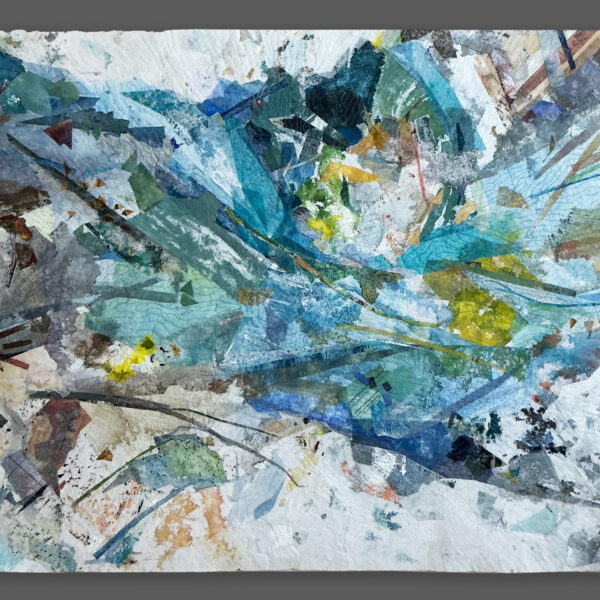
Valley | Barbara Lee Smith
$5,500.00 -
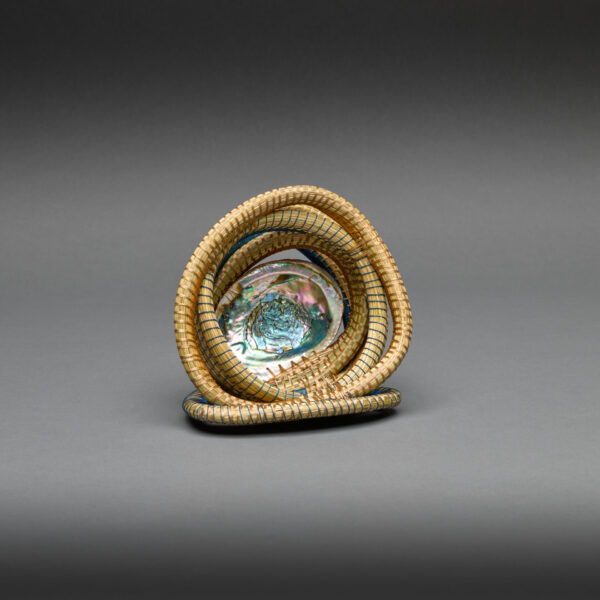
#1429 | Abalone on Triangles | Debora Muhl
$3,520.00 -
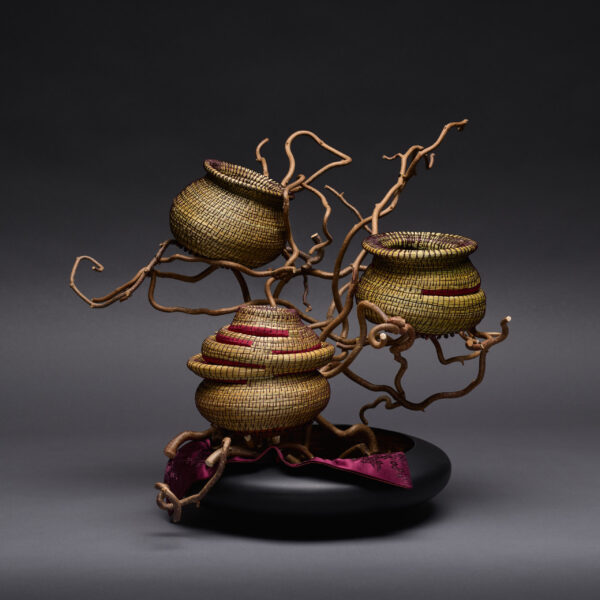
#1419 | Red Trio | Debora Muhl
$7,040.00 -
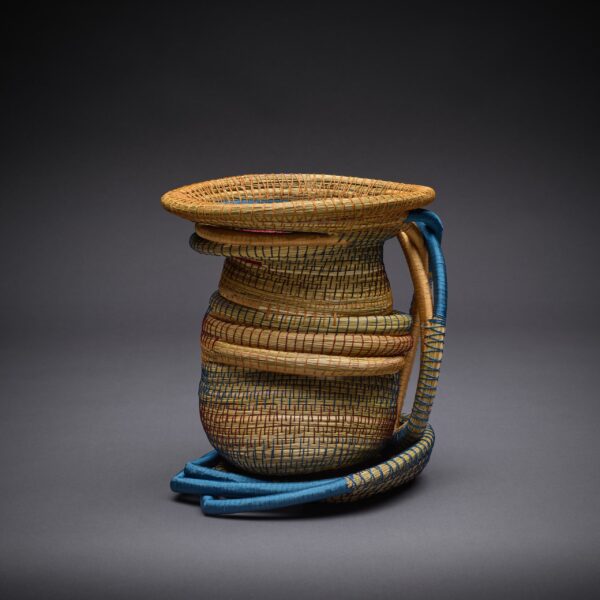
#1413 | Pitcher & Bowl | Debora Muhl
$4,180.00 -
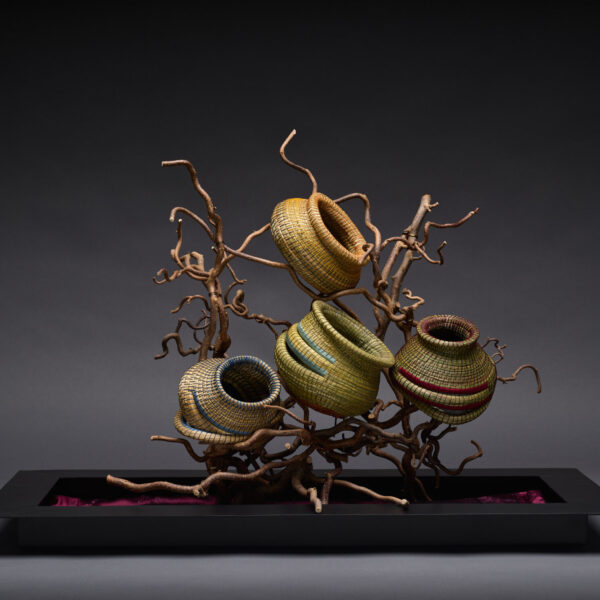
#1420 | Into The Wind | Debora Muhl
$7,920.00 -
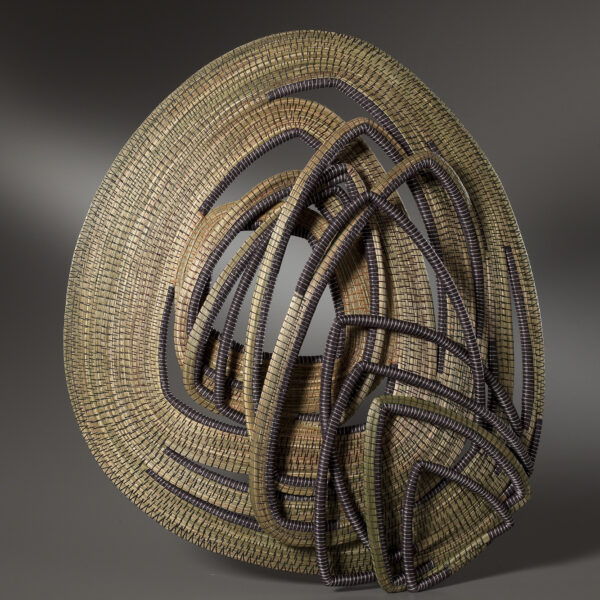
#1320 | Triangular Wall Piece | Debora Muhl
$5,720.00 -
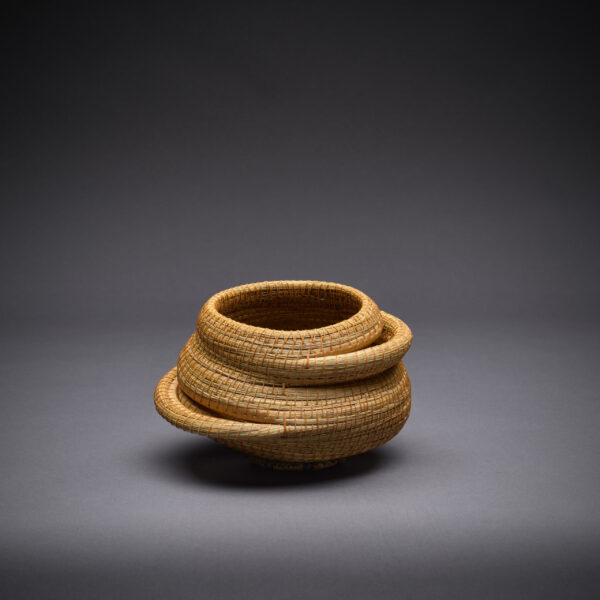
#1421 | Small Golden | Debora Muhl
$1,210.00 -
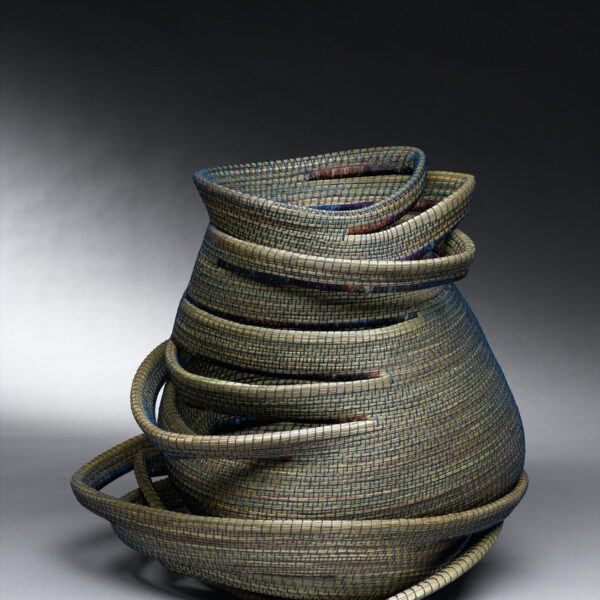
#1229 | Blue Aussie | Debora Muhl
$8,580.00 -
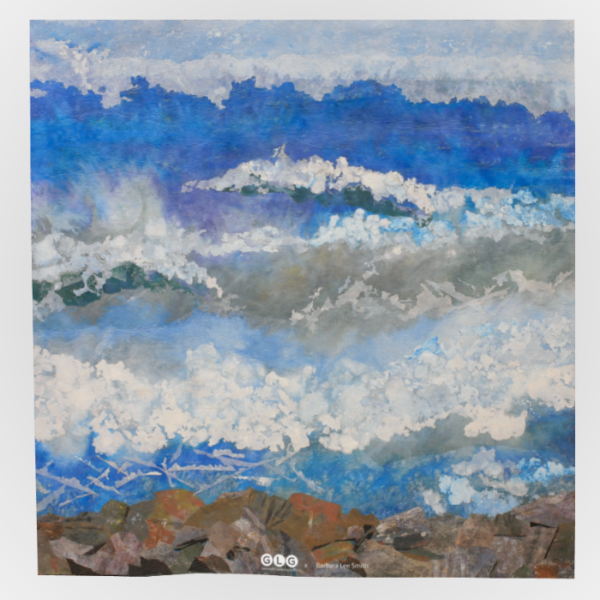
Barbara Lee Smith Scarf
$70.00 -
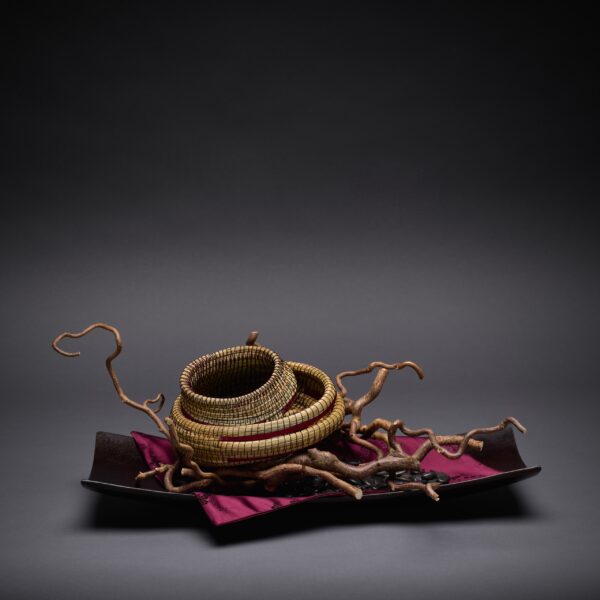
#1426 | Red on Branches | Debora Muhl
$3,080.00 -
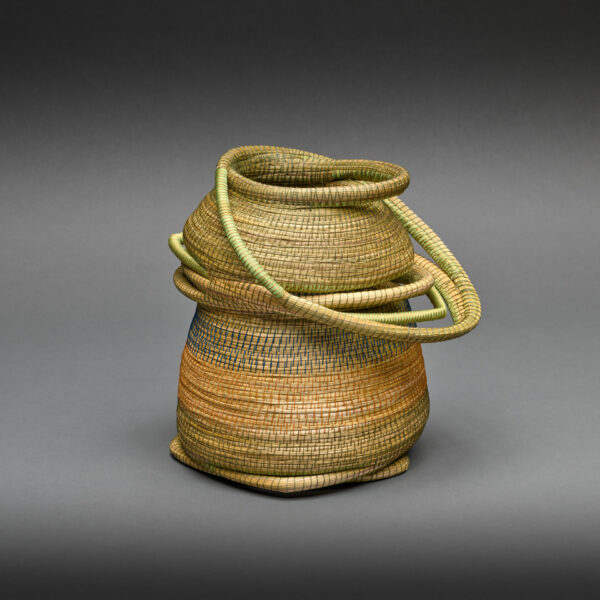
#1428 | Nurtured | Debora Muhl
$8,140.00 -
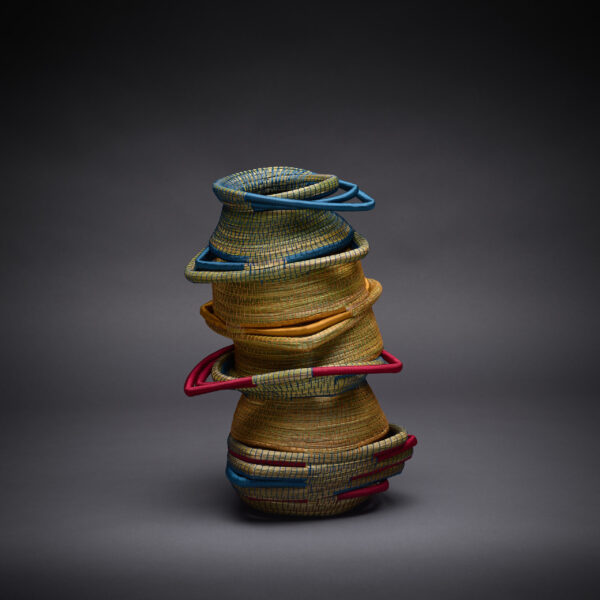
#1412 | Totem II | Debora Muhl
$7,920.00 -
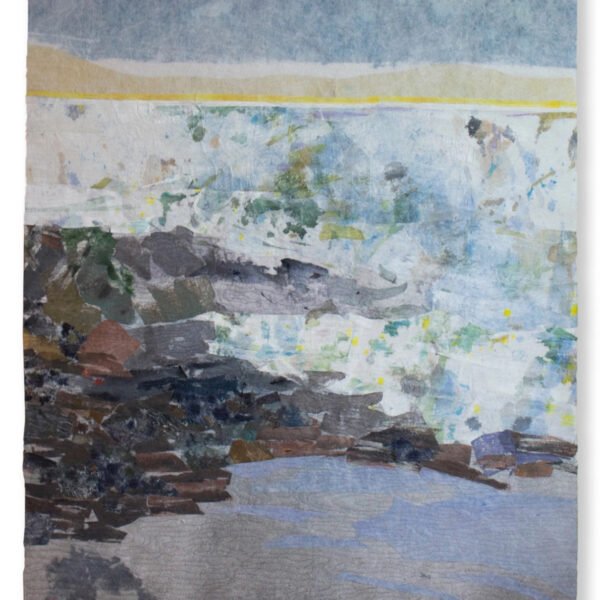
Shore Line | Barbara Lee Smith
$7,260.00 -
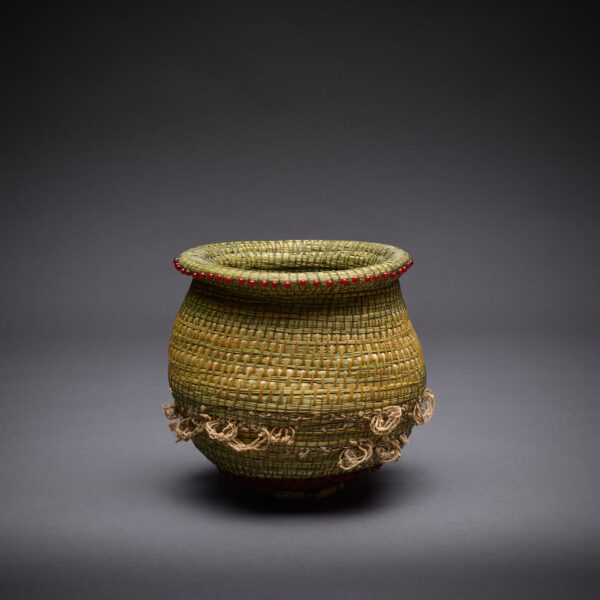
#1422 | Dressed Up Red | Debora Muhl
$2,310.00 -
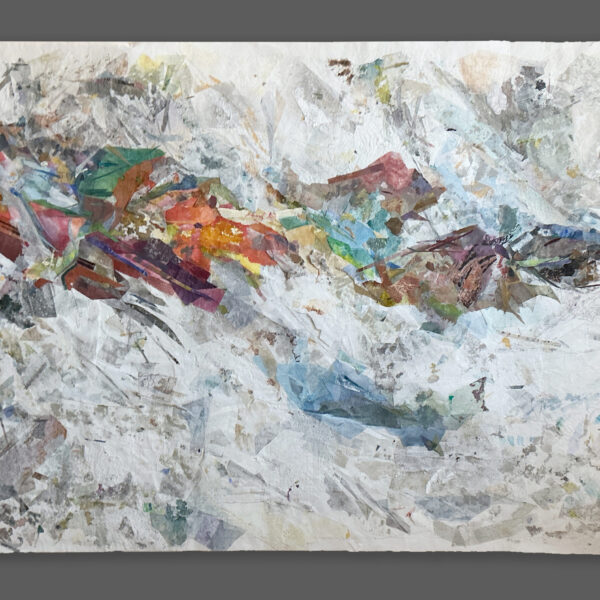
Sanctuary | Barbara Lee Smith
$23,100.00 -
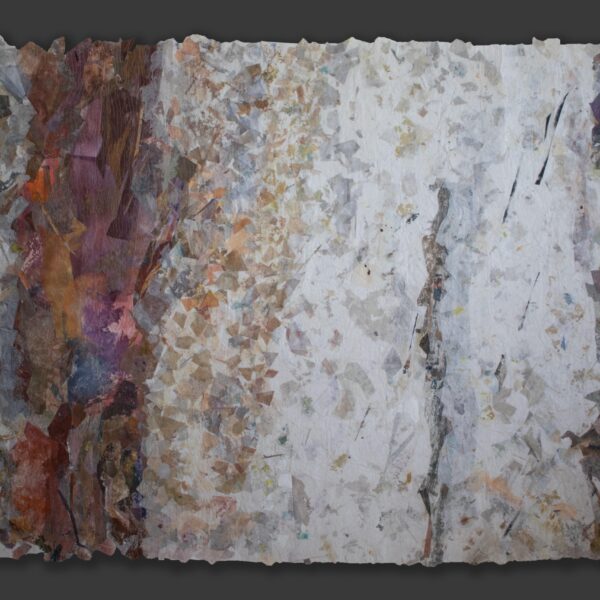
Weathered Wall
$22,880.00 -
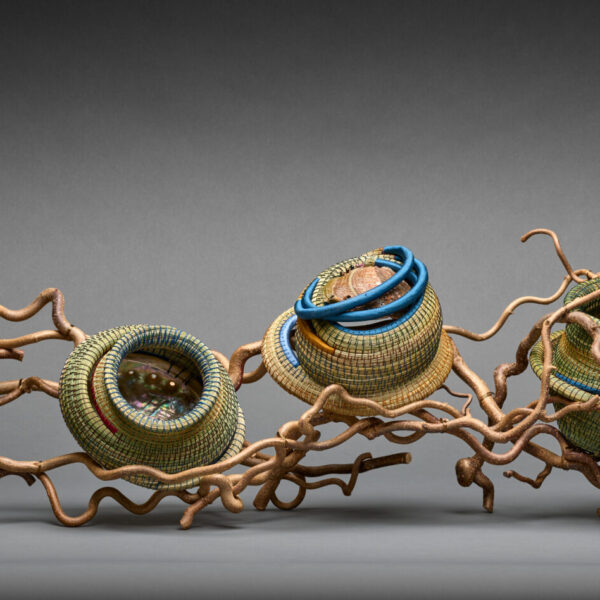
#1439 | Moving 4Ward | Debora Muhl
$26,400.00 -
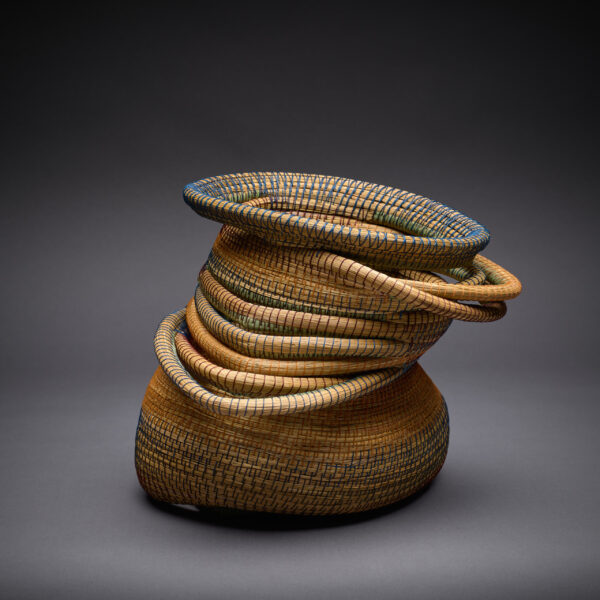
#1411 | Spin Dance | Debora Muhl
$5,940.00 -
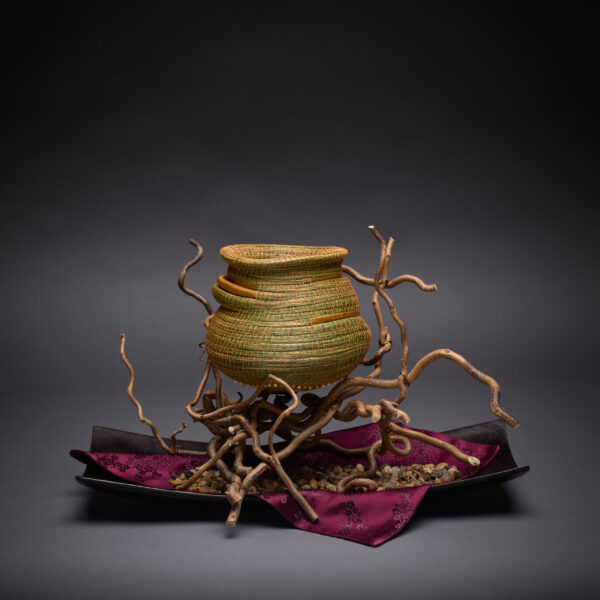
#1423 | Golden Attitude | Debora Muhl
$4,180.00 -
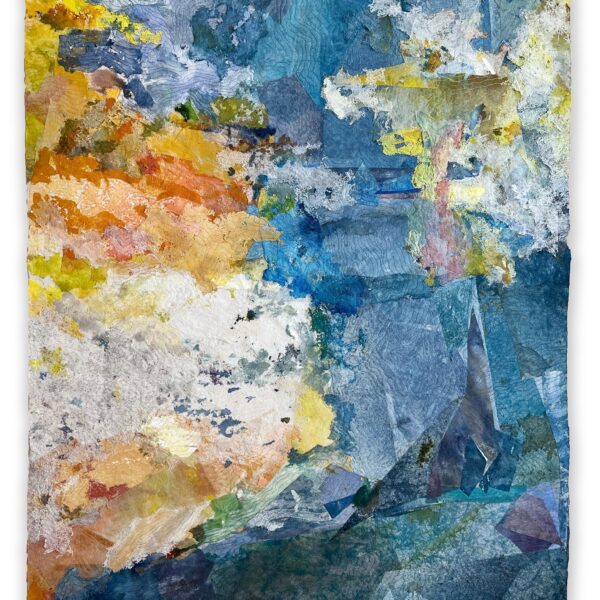
Delta | Barbara Lee Smith
$8,470.00 -
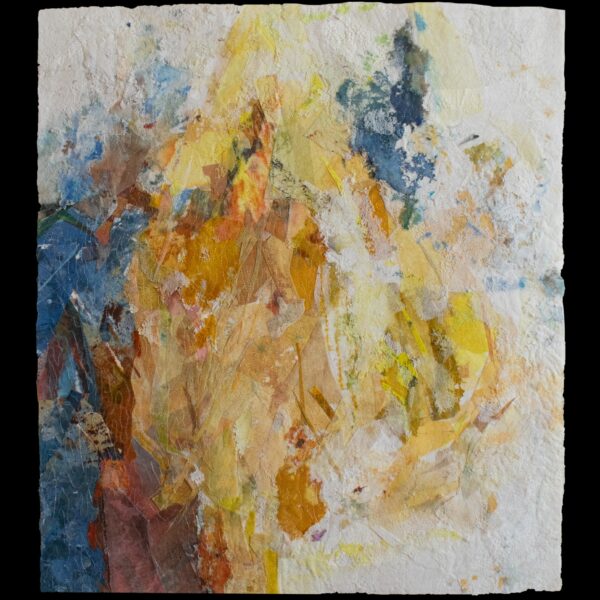
In Sunlight or in Shadow | Barbara Lee Smith
$3,300.00 -
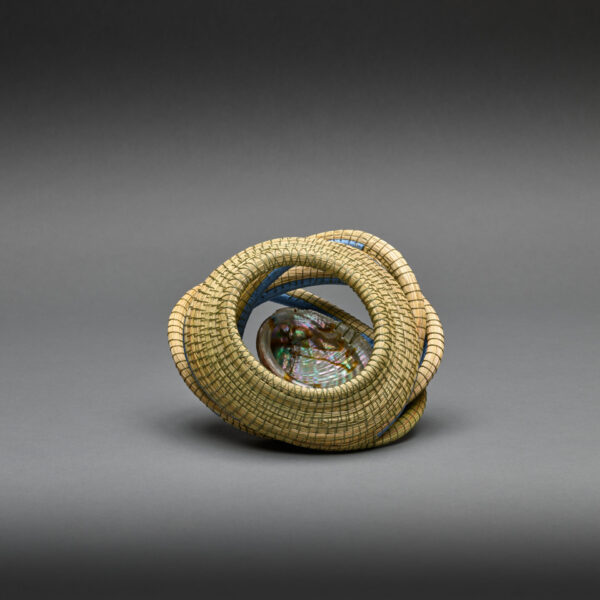
#1431 | Calm Blue | Debora Muhl
$3,520.00 -
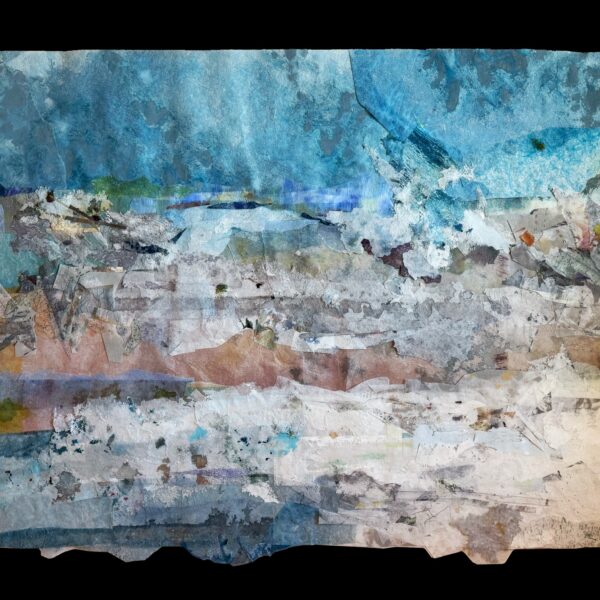
January ’25 | Barbara Lee Smith
$9,900.00 -
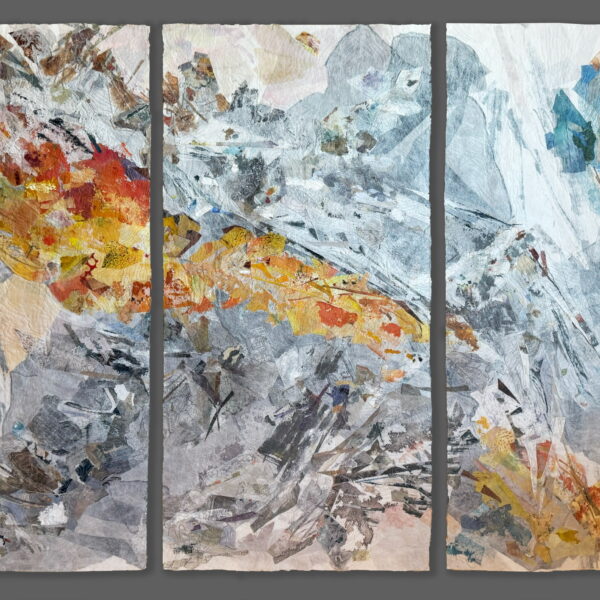
Dancing Past No | Barbara Lee Smith
$14,850.00 -
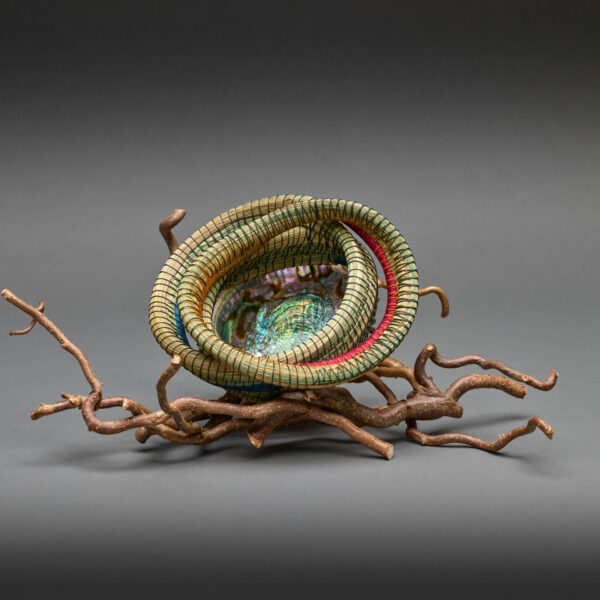
#1435 | Shiny Abalone with Blue | Debora Muhl
$3,960.00 -
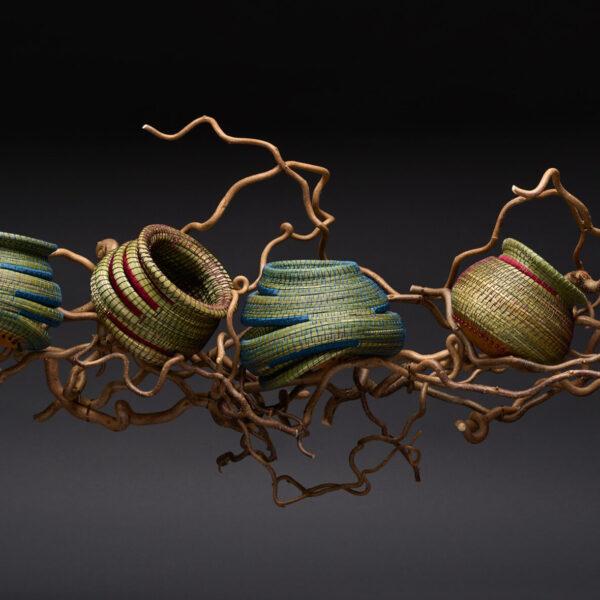
#1425 | Five Friends | Debora Muhl
$26,400.00 -
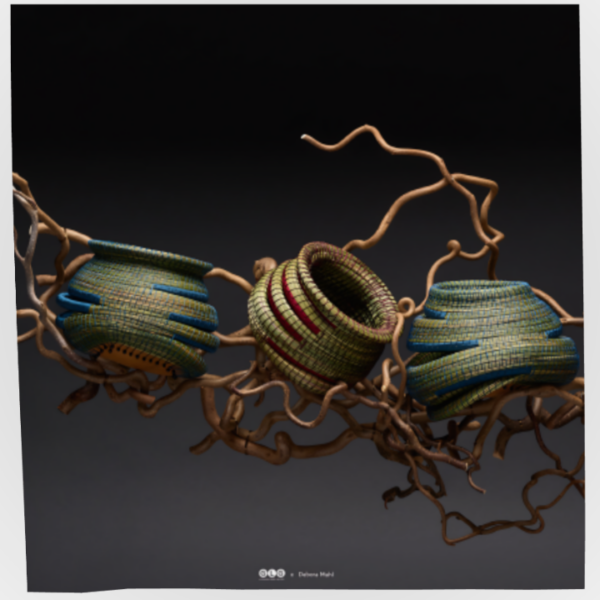
Debora Muhl Scarf
$70.00 -
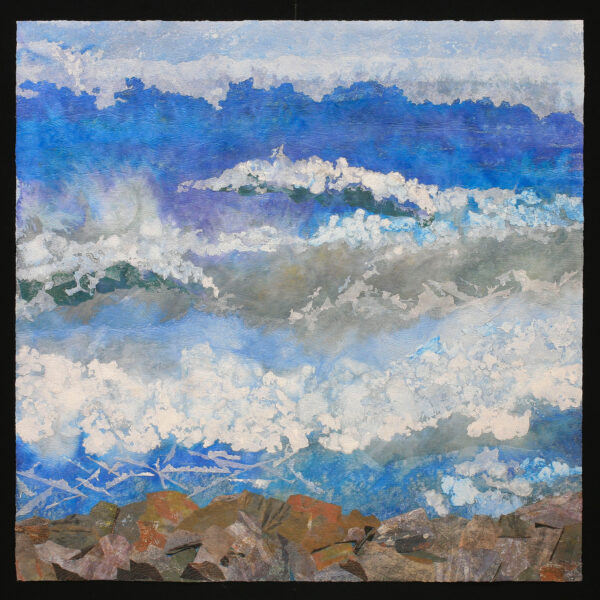
South Jetty | Barbara Lee Smith
$9,900.00 -
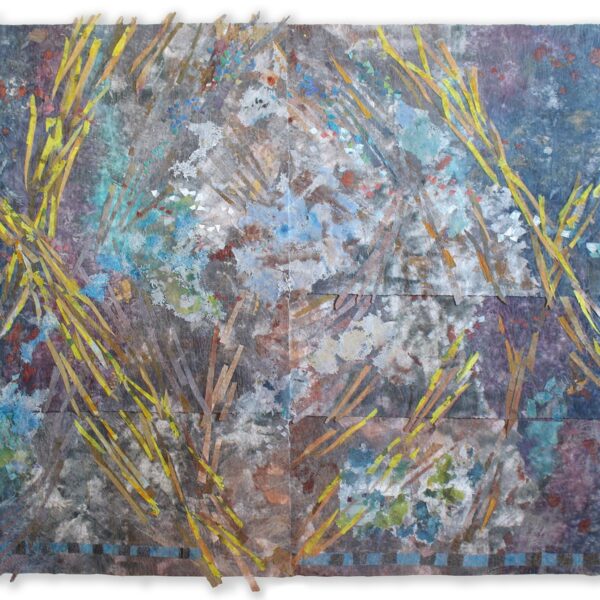
Energy | Barbara Lee Smith
$12,870.00 -
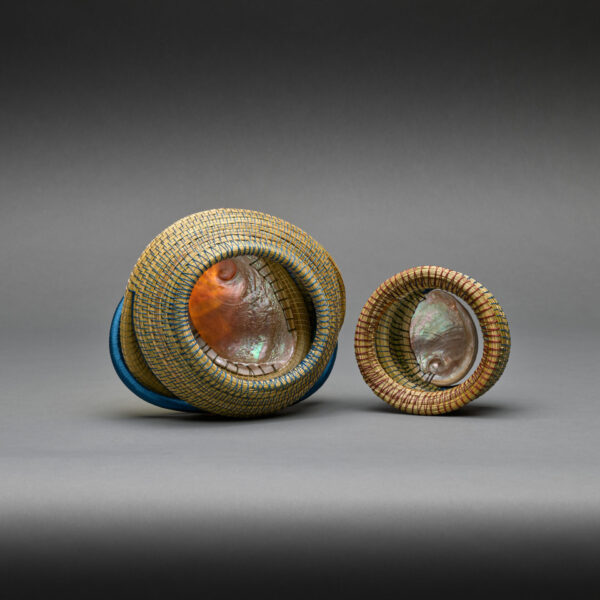
#1432 | Sweet One | Debora Muhl
$1,650.00 -
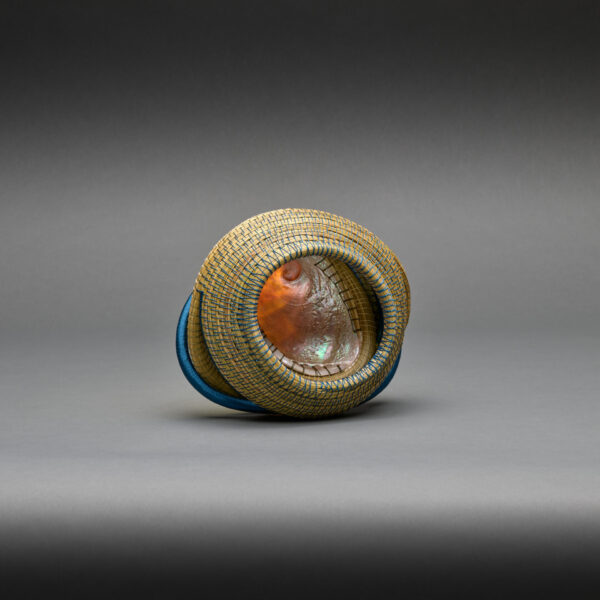
#1430 | White Abalone with Blue | Debora Muhl
$4,400.00 -
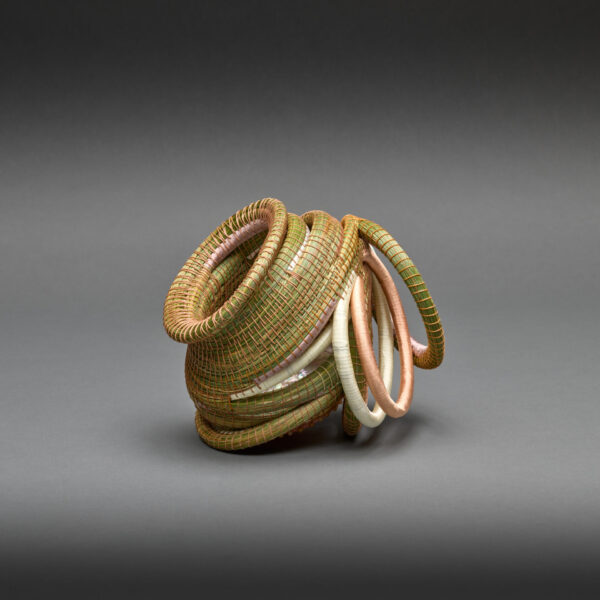
#1436 | Coral Fish | Debora Muhl
$4,840.00