
POLLY BARTON
ABOUT THE ARTIST
Polly Barton is a nationally recognized artist who has been working in fiber for over thirty years. She is known for adapting the ancient weaving technique of ikat tying and dyeing into contemporary woven imagery. Her recent work is a series of drawings in thread. Seduced by the surface of lush, matt pastel on paper stitched with metallic thread, she has been using needlework as a new way to follow the thread of ideas. As a young artist, Polly Barton points to her formative job as the personal assistant to Helen Frankenthaler, from whom she observed the inner drive, resilience, and intention necessary for an artist. The year was an introduction to the challenges and rewards of the New York art world. In 1981, she moved to Kameoka, Japan and lived in the religious heart of the Oomoto Foundation to study with master weaver, Tomohiko Inoue. She practiced tea ceremony, calligraphy and Noh Drama with Oomoto's master teachers. Barton continues to weave and shows her woven ikats on both coasts. Her work is in many collections including the Art Institute of Chicago, Museum of Fine Arts, Boston, The Community Hospital Foundation of Monte Rey, the Longhouse Reserve in New York. Her work has been published in numerous magazines including Hali Magazine, FiberArts, Surface Design Journal and American Craft. She is a member of the Textile Society of America, the Surface Design Association, the Textile Study Group of New York, and the Espanola Valley Fiber Arts Association. She enjoys lecturing and teaching workshops to weaving guilds and conferences around the country.
ARTIST STATEMENT
I have been working with Ikat for over 30 years, exploring its endless possibilities
and rich global heritage. A technique of binding skeins of yarn in calculated
patterns before dyeing, Ikat has enabled me to “paint” with the warp and weft
creating layers of color as well as revealing the gesture in the hand and will of the
artist. Woven threads mark the progress of time and sustain our collective history.
Listening to the subtle energy of textiles, I use color woven into color as a
contemporary expression of Ikat with the hope of keeping an ancient fiber
technique alive.
-
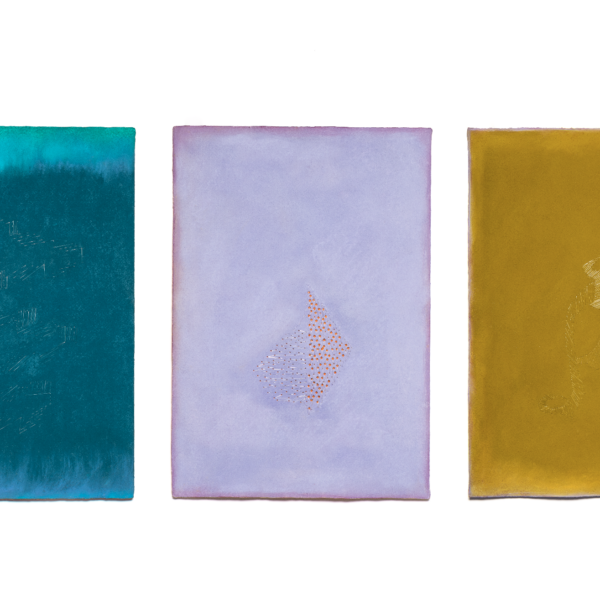
Pollen Velvets V | Polly Barton
$5,000.00 -
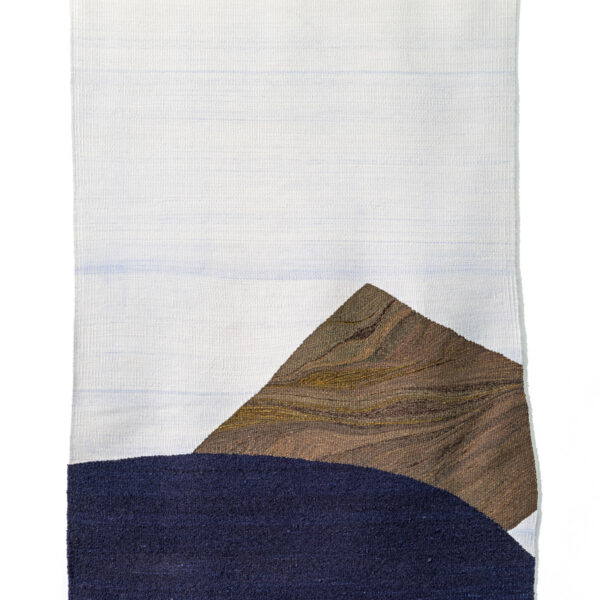
Pantoum | Polly Barton
$10,500.00 -
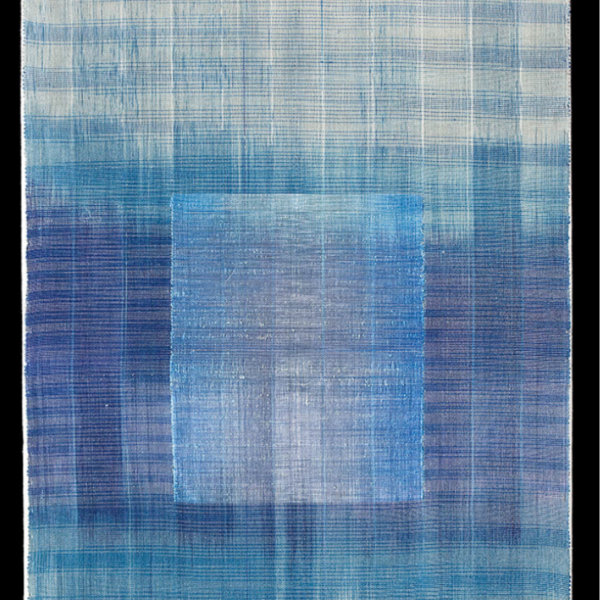
En Route I | Polly Barton
$4,500.00 -
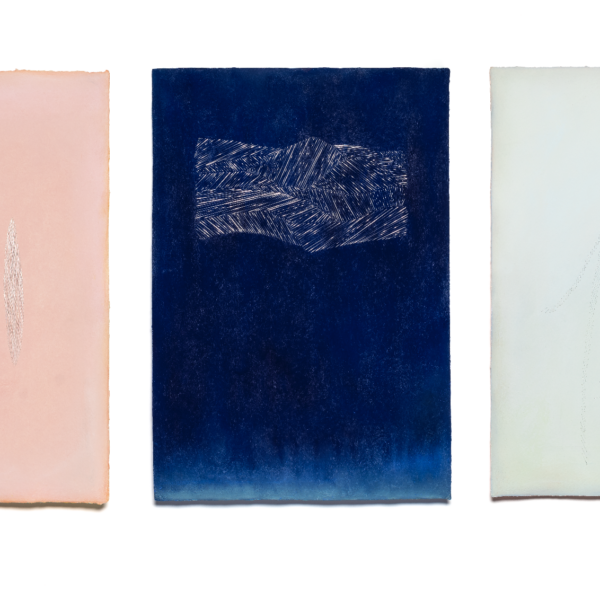
Pollen Velvets III | Polly Barton
$5,000.00 -
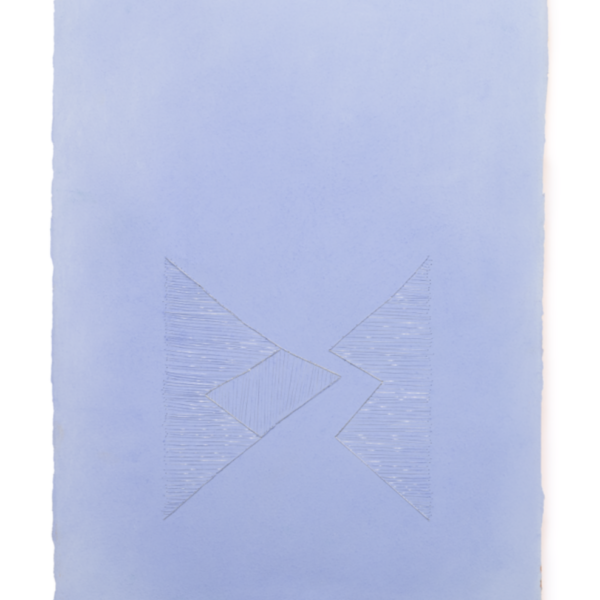
Pollen Velvet, Blue | Polly Barton
$1,800.00 -
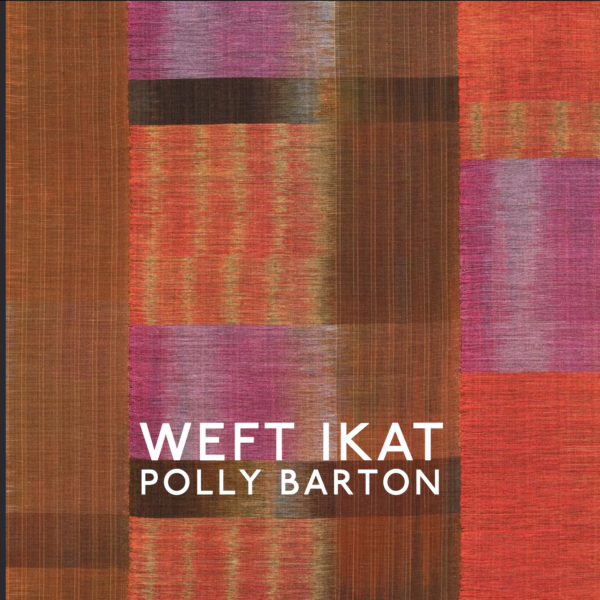
Weft Ikat | Polly Barton
$25.00 -
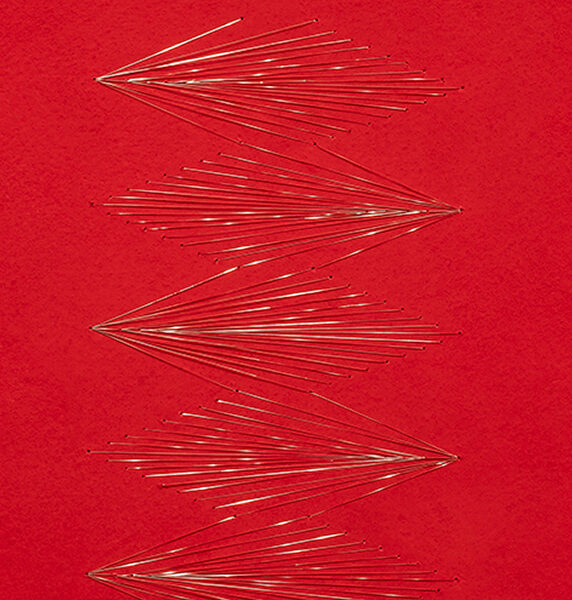
Pollen Velvets VIII (Red) | Polly Barton
$1,800.00 -
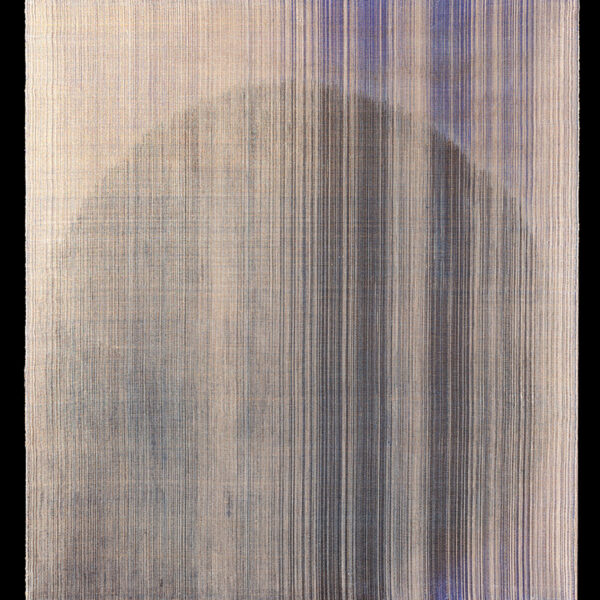
The Evening’s Burnished Countenance | Polly Barton
$6,500.00 -
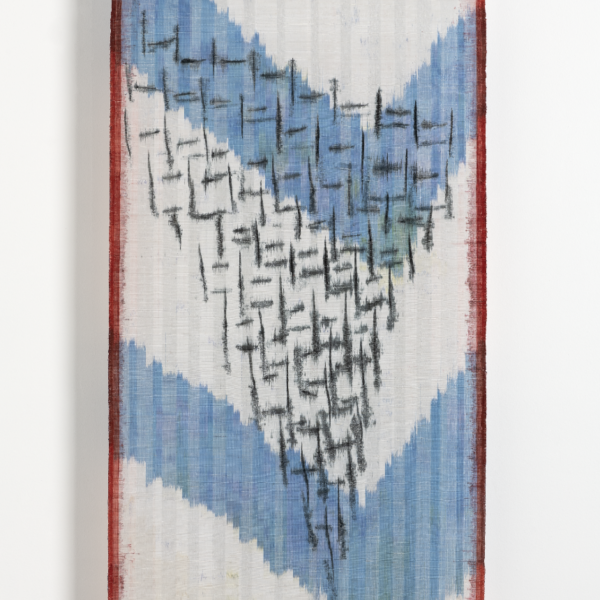
Thicket | Polly Barton
$14,500.00